Affiliate Disclosure: As an Amazon Associate and affiliate marketer, I may earn commissions from qualifying purchases—at no extra cost to you.
Thank you for reading this post, don’t forget to subscribe!
Table of Contents
- 1 Learn How to Balance Creativity and Mental Health Online
- 2 Understanding the Unique Challenges of Online Creativity and Mental Health
- 3 Why Online Creators Are Vulnerable to Burnout
- 4 Core Strategies for Balancing Creativity and Mental Health
- 5 1. Set Boundaries on Screen Time
- 6 2. Prioritize Self-Care as a Non-Negotiable
- 7 3. Align Creativity and Mental Health with Your Values
- 8 Creating a Restorative Routine
- 9 The Power of Mindfulness and Reflection
- 10 Staying Connected Without Overwhelm
- 11 Recognizing Warning Signs of Imbalance
- 12 Seeking Support When Needed
- 13 Embedding Balance Into Your Business Culture
- 14 Conclusion: Creativity and Mental Health Flourishing Through Mindful Balance
- 15 References
Learn How to Balance Creativity and Mental Health Online
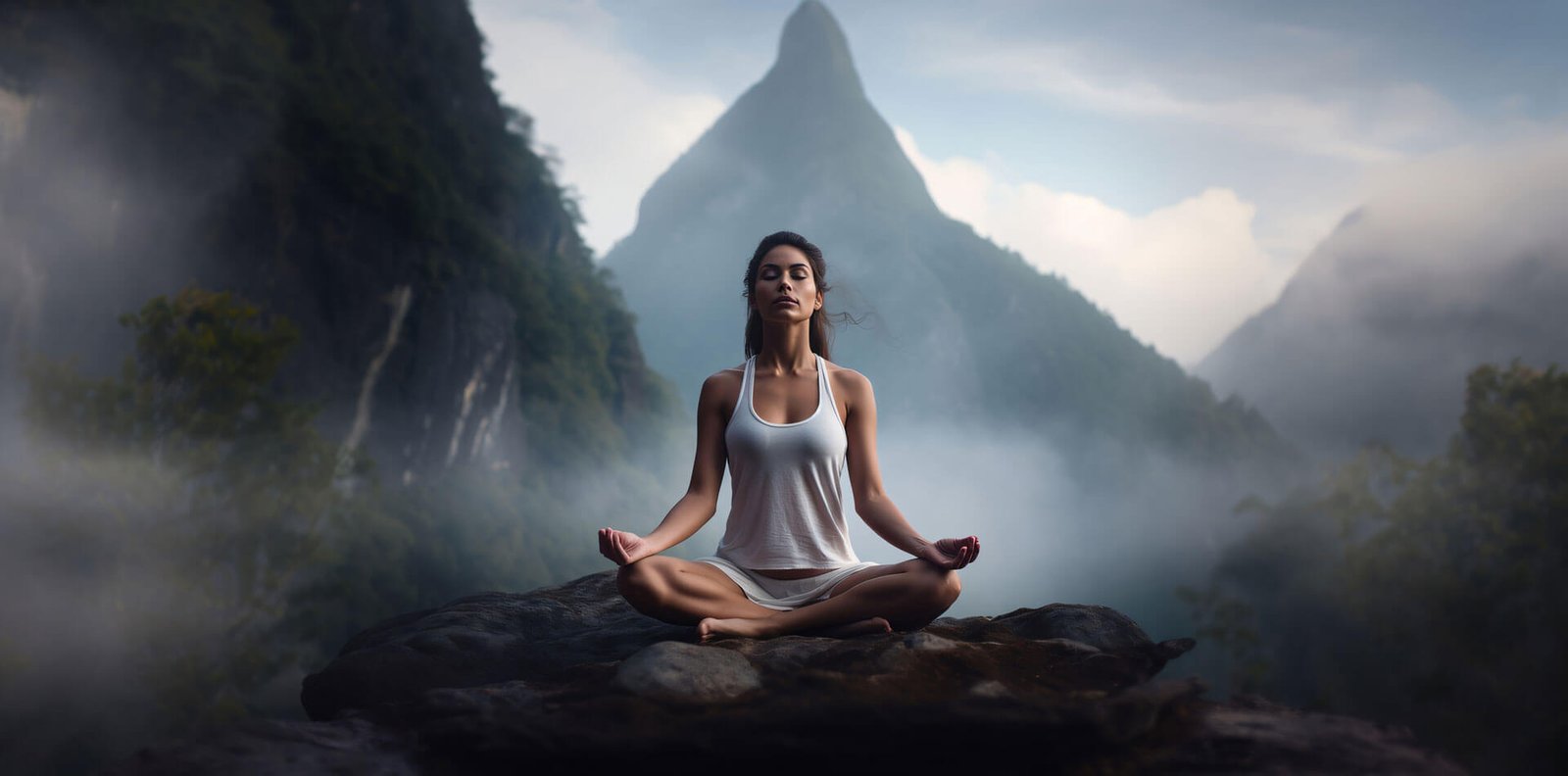
Creativity and mental health are deeply interconnected, especially in the digital era. For online creators, entrepreneurs, and freelancers, maintaining this balance can feel like walking a tightrope. The drive to create and share can become overwhelming without mindful boundaries, often at the expense of one’s well-being. This guide offers practical strategies and mindful frameworks to help balance your creative ambitions with the care and presence necessary for sustainable mental health.
Understanding the Unique Challenges of Online Creativity and Mental Health
The internet offers an unprecedented platform for creative expression. However, it also presents unique stressors—constant notifications, a culture of comparison, and blurred lines between work and rest. Recognizing these factors is the first step in intentionally designing your own path to wellness.
Why Online Creators Are Vulnerable to Burnout
Online creators often face pressures that are both external and internal. Externally, there are audience expectations, algorithm changes, and the hustle culture that glorifies overwork. Internally, perfectionism and self-doubt can lead to spiraling stress. Without clear limits, these forces can drain passion and enthusiasm, making creativity feel like a burden rather than a joy.
Core Strategies for Balancing Creativity and Mental Health
True balance starts with a multifaceted approach combining practical boundaries, self-care, and values alignment. Let’s dive into actionable steps:
1. Set Boundaries on Screen Time
Digital tools are powerful but can easily overshadow your offline world. Limiting the hours spent online, especially on social media or content platforms, breaks the cycle of overexposure.
Use the following mindful boundaries:
Designate specific times for creative work and digital interactions. For example, try batch-processing emails or social media tasks within fixed windows.
Use device settings and apps to limit notifications or block distracting sites during deep work sessions.
Schedule regular digital detox periods—an hour, a full evening, or a weekend without screens—to allow your mind and body to reset.
2. Prioritize Self-Care as a Non-Negotiable
Self-care is more than a buzzword; it forms the bedrock of creativity and resilience. Prioritizing rest, nourishment, and movement helps you return to your creative practice refreshed.
Here are mindful self-care techniques for creators:
Take regular breaks from the screen using the 20-20-20 rule: every 20 minutes, look at something 20 feet away for 20 seconds.
Incorporate movement into your day—stand up, stretch, or walk between work sessions.
Practice breathing exercises, body scans, or short meditations to regulate stress and restore focus.
3. Align Creativity and Mental Health with Your Values
When your creative projects align with your core values, your work becomes both more authentic and fulfilling. Misalignment, on the other hand, leads to frustration and burnout.
To clarify your values:
Reflect on what energizes you, and when you feel most aligned in your work.
Let your mission guide both the content you produce and the opportunities you pursue.
Say “no” to projects, clients, or collaborations that don’t resonate with your principles—even if they seem promising on the surface.
Creating a Restorative Routine
Establishing a daily routine that balances digital engagement and restorative activities is crucial for both mental health and lasting creativity. A mindful routine integrates work, movement, breaks, and creative inspiration.
Consider this sample mindful creator’s day:
Start with 10–15 minutes of journaling or meditation to set a calm tone.
Block creative work into focused sprints of 60–90 minutes, followed by 10–15 minute restorative breaks.
Move your body—whether through a walk, gentle exercise, or yoga—midday to refresh energy.
Set an end time for online activity, transitioning into offline relaxation, hobbies, or social connection.
The Power of Mindfulness and Reflection
Mindfulness—the act of intentionally noticing your thoughts and feelings without judgment—can transform your relationship with creative work. Practicing presence makes you more resilient when facing stress and less likely to burn out from digital overload.
Simple mindfulness practices include:
Observing your energy and mood before and after creative sessions.
Pausing to breathe deeply when you notice frustration, fatigue, or negative self-talk.
Reflecting on the “why” behind your projects, ensuring they align with your overall well-being.
Staying Connected Without Overwhelm
Maintaining supportive connections online is vital, but constant communication can quickly overwhelm your mental bandwidth. Use intentional engagement to sustain healthy connections while protecting your personal time.
Tips for mindful connection:
Set expectations about response times with collaborators and followers.
Choose platforms and communities that genuinely support your growth, and spend less time where you feel drained or compared.
Recognizing Warning Signs of Imbalance
No strategy is perfect, and creators are not immune to periods of imbalance. Recognizing early signs of stress means you can recalibrate before full-scale burnout takes hold.
Common warning signs include:
Increased irritability, overwhelm, or anxiety about creative tasks.
Reduced motivation or joy in creative work.
Neglecting self-care or social relationships.
Seeking Support When Needed
There’s no shame in reaching out for help. Therapists, coaches, and supportive peers can provide perspective and accountability as you navigate the challenges of online creativity.
Embedding Balance Into Your Business Culture
If you collaborate with a team or audience, modeling balance in your own practice encourages others to do the same. Leaders set the tone by respecting boundaries, prioritizing well-being, and celebrating process as much as results.
Conclusion: Creativity and Mental Health Flourishing Through Mindful Balance
The fast pace of the online world makes balancing creativity and mental health both more challenging and more crucial than ever. By setting clear boundaries, practicing self-care, and aligning creative work with your deepest values, you build a resilient foundation for lasting inspiration and well-being. Remember, your best creative work comes from a place of balance and inner alignment.
References
Amazon and the Amazon logo are trademarks of Amazon.com, Inc, or its affiliates.

Leave a Reply